- The Southshore Circle
- Posts
- The Finale to Our Soccer Story
The Finale to Our Soccer Story
The Beautiful Shame Part Three
Sponsored by


Southshore Forecast
Today — High: 93°F, Low: 66°F 😎
Tomorrow — High: 92°F, Low: 73°F ⛅
A week of rain is ahead, starting Sunday, so get out and enjoy the sun.
Are You Ready to Actually Retire?

Knowing when to retire is harder than knowing how much to save. The timing depends on what your retirement actually looks like: how long your money needs to last, what you'll spend, and where your income comes from.
When to Retire: A Quick and Easy Planning Guide is built for investors with $1,000,000 or more who are ready to move from saving to planning. Download your free guide and start working through the details.
THE SKINNY
• Congrats to Lennard Girls Flag Football
• The Beautiful Shame Part Three
• A New Era For Cancer Research
Lennard Longhorns Girls Flag Football
Headed to The State Championships
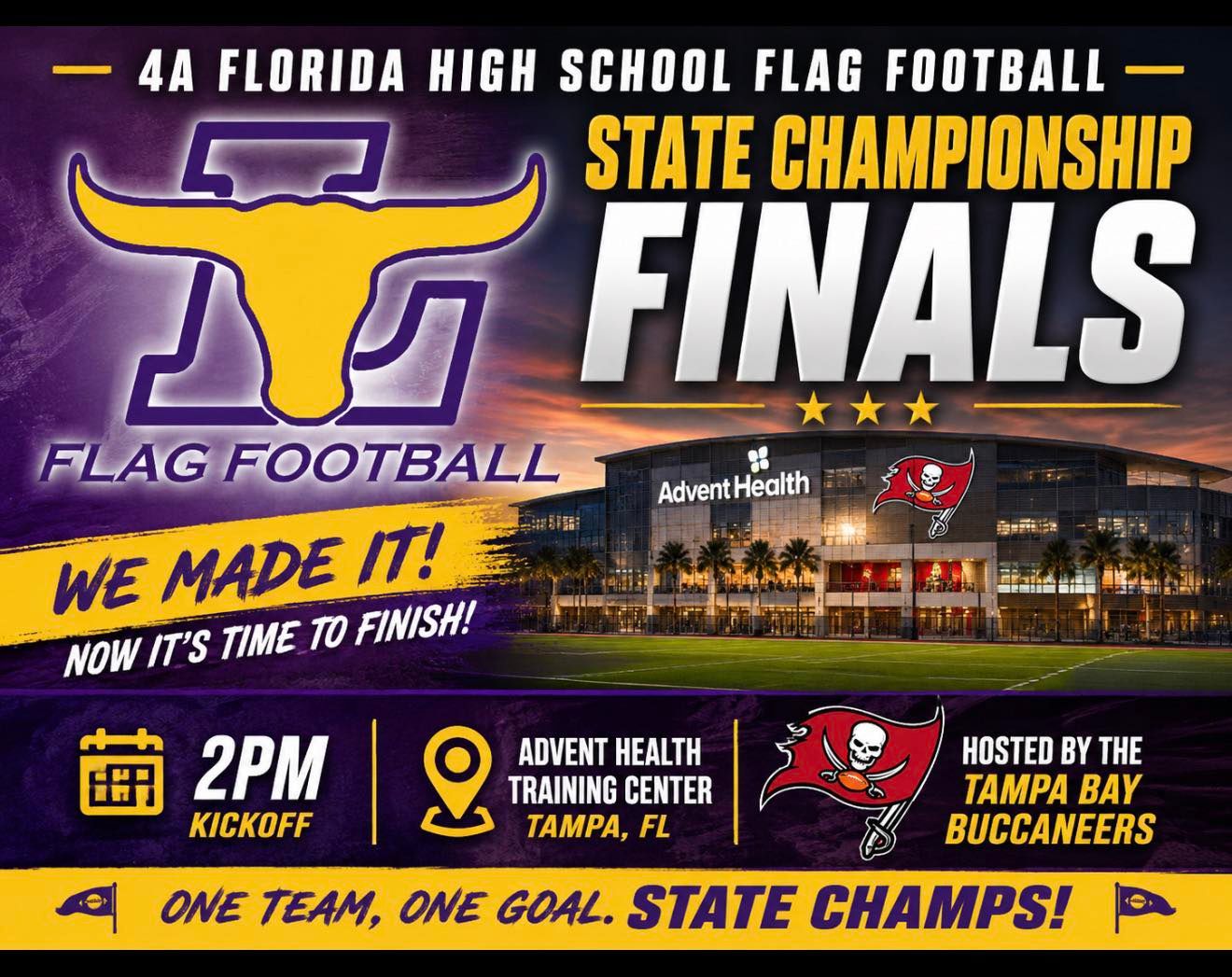
Today, we made it out to the AdventHealth Training Center at One Buc Place to watch the Lennard Girls Flag Football team compete in the state semi-finals. You can watch several highlights from the game on our Facebook page HERE.
In summary, the girls were firing on all cylinders. I genuinely lost count of how many interceptions they snagged. My best guess is somewhere around eight. The defense was everywhere, and it felt like every big play somehow ended up back in Lennard’s hands.
Meanwhile, the announcer likely got tired of yelling “Lennard touchdown!” because it was basically the phrase of the day.
Huge congratulations to the team and coaching staff as they now head into the state finals. Tomorrow at 2 p.m. at the same location, the girls will battle it out for greatness. If you can make it out, show up and support.
I can personally promise you won’t be disappointed.
Featured Story
The Beautiful Shame
Part Three: Show Me The Money
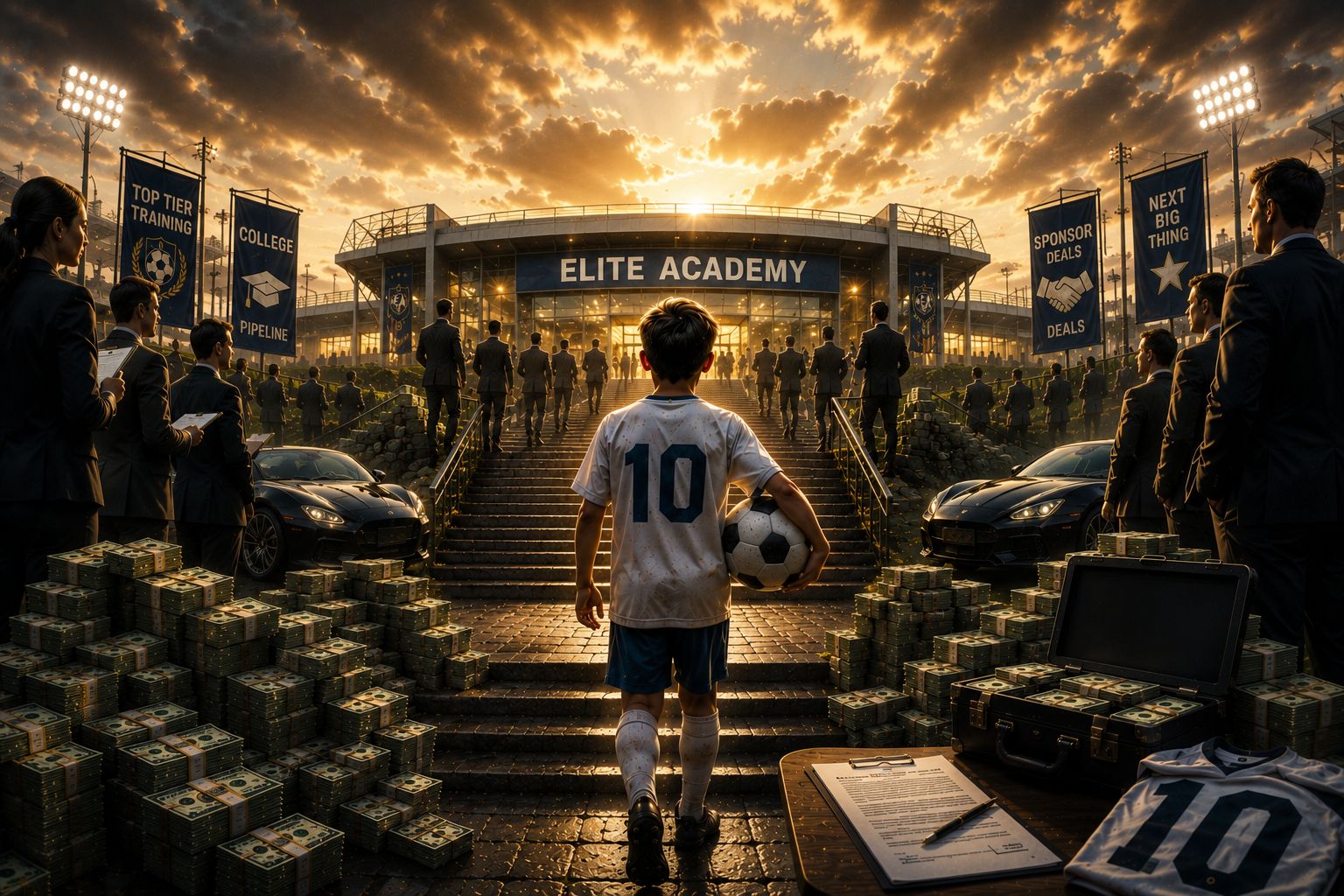
The money in elite youth soccer flows in one direction, and it doesn't flow toward players. Clubs collect registration fees, tournament fees, and uniform fees, often from preferred vendors who return the favor.
At the MLS NEXT and ECNL level, club fees typically start around $2,500 and climb from there. Tack on kit fees and the additional costs to cover referee fees, coaches travel, and tournament registrations and you're easily at $6,000. Add your own travel expenses and for a season of competitive soccer you often find yourself in the ballpark of $10,000 to $15,000. And this is across the board. On average, fees in the area are within $200 from one club to the next. So it really doesn't matter where you go. Get that checkbook ready.
It doesn't take a math whiz to realize that running a soccer club can quickly become less about soccer and more about revenue. Next time you're watching practice and wondering why so many teams are sharing a field, remember this. The average club has two levels at the top, MLS NEXT Homegrown and Academy Division or ECNL and ECNL-RL, then usually two more competitive levels below that across NAL, NPL, USL, and E64. That's four teams per age group and 18 to 20 kids per team. That roughly equates to $180,000 per age group in just club fees for their most competitive teams. Now throw in an equal number of girls teams, lower-level competitive teams, rec teams, and the litany of other revenue sources and you're starting to get the picture.
But it's not just the clubs. Leagues collect dues from clubs and fees from events. Tournament operators require stay-to-play hotel arrangements where families book from approved lists at above-market rates, a portion of which flows back to the organizer. Private trainers collect from families who've quietly learned that their child's relationship with the coaching staff is connected to which sessions they sign up for. Every layer of the ecosystem extracts. Every layer calls it development.
MLS's expansion into a second tier, the Academy Division we talked about in Part 2, wasn't a development innovation. It was a land grab dressed in development language. ECNL had built real infrastructure in the space below MLS NEXT's original top tier. MLS moved into that space with a bigger brand name and more marketing muscle. The families in the middle paid for the expansion. The kids absorbed the disruption. The institutions grew. Nobody in this system gets rich on one family. They get rich on ten thousand of them.
The Player the System Never Found
We said it in Part 1 and the data backs it up. The participation gap between high-income and low-income families in youth sports has grown from 13.6 percentage points in 2012 to over 20 points today. Soccer, the sport most likely to be a child's first athletic experience, has one of the steepest drop-off rates as cost increases with age and level.
But the cost filter isn't the only way the system loses players. We've watched families who found the money, who sacrificed, who worked extra hours, who made it work, lose their kids to the politics. The roster spot that went to the coach's connection. The playing time that dried up after the family asked one too many questions. The season a talented kid spent on the bench watching a less talented kid play because the wrong last name was on the back of his jersey.
Those players exist in every club in this area. They age out quietly. They stop showing up. They find something else to do with their Saturdays. And the system that failed them keeps running tryouts and collecting fees and posting highlight reels on Instagram as if nothing happened. The system doesn't fail these players loudly. It fails them in ways that are easy to explain away and almost impossible to prove.
The Fear of Miami
We've all seen it. Coaches in the area talk about Miami teams like they're Lord Voldemort. The hope isn't to win. It's to not get blown out. Not losing too badly against a Miami team is treated as an accomplishment in itself. There's an assumption, almost a reflex at this point, that Miami is just on another level. And often they are. But it has nothing to do with the weather or something special in the water south of Broward County.
South Florida has enormous communities from Brazil, Colombia, Haiti, Cuba, and Venezuela, places where soccer is a language, not a product. Kids grow up playing in the street, in parks, in pickup games with no coaches, no uniforms, and no annual fee. That environment builds something that no training session on a quarter of a field ever will.
Many clubs in South Florida are a bit closer to how soccer should actually be run. The Inter Miami CF Academy takes players at no cost. No tuition. No season fees. The best youth program in South Florida removes the financial barrier entirely for the players it selects. Not as charity. As philosophy. The talent is the filter.
What Tampa clubs feel when they line up against Miami isn't a talent gap. It's what happens when a system lets the right people play. And the quiet discomfort that follows those results is the local soccer community briefly confronting a question it hasn't found the courage to answer yet.
What the Rest of the World Already Figured Out
Germany runs a network of regional development centers, free, run by the national federation, designed specifically to find players outside the club system. Spain's top academies scout locally with the explicit goal of developing talent regardless of economic background. Brazil produces world-class players from neighborhoods where a $10,000 annual club fee would be unimaginable.
None of those systems are perfect. But they share one thing American youth soccer doesn't have. The financial burden falls on the institution, not the family. Talent is the filter. The check isn't. We don't have to look that far. Miami is right there. And the difference in what they produce is impossible to ignore once you understand why it exists.
Some Things Worth Asking
We're not here to tell you to pull your kid out of club soccer. Most of the coaches we've watched work hard and genuinely care. Most of the families we've talked to are doing the best they can inside a system they didn't design.
But the system is worth interrogating. Some questions worth asking out loud. How many teams does your club run per field at practice, and what does that actually mean for your child's development time? When the club recommends a private trainer, what's the relationship between that trainer and the coaching staff?
What does the club's actual track record look like. Not the branding, not the league affiliation, but the real outcomes. How many players developed here went somewhere because of what this club built in them? And the biggest one. When your kid gets cut or doesn't get the minutes, what's the honest explanation. Is it development? Or is it something else? You already know the answer most of the time. You just needed someone to say it's okay to ask.
The Beautiful Game
We started this a year ago because we love soccer. Not the business of it. Not the acronyms or the turf wars between leagues trying to corner a market. The game itself. The one kids play in driveways and parking lots and on beaches with a ball they kicked until the panels came apart.
That game still exists. You can see it in the pickup games at the park, in the way a kid's face changes when something finally clicks, when the ball goes exactly where he meant it to go and he looks up and already knows where his next touch is going.
That's the game we're talking about. The one the system we've described is slowly burying under fees and politics and market share battles fought by adults who forgot what the whole thing was supposed to be for.
The beautiful shame isn't that American soccer struggles. It's that we keep choosing the system that makes it struggle.
Things to do
What’s Washing Up on The Shore This Week
2026 Bay Bonanza (Apollo Beach)Date: Friday, May 15, 2026 Time: 9 AM | Healthy Living Center Open House & Food Pantry (Wimauma)Date: Saturday, May 16, 2026 Time: 9 AM | The 2026 Big Boy Soap Hockey Tournament (Tampa)Date: Saturday, May 16, 2026 Time: 10:30 AM |
Glass Fusing - Flower Garden (Ruskin)Date: Saturday, May 16, 2026 Time: 2 PM | Crossfire Creek (Apollo Beach)Date: Saturday, May 16, 2026 Time: 7 PM | D&D Open Play (Gibsonton)Date: Sunday, May 17, 2026 Time: 1 PM |
Your Weekly What in the World
New treatments are changing how cancer is fought

For decades, progress in cancer treatment often felt slow. This year, that’s starting to change. Across multiple studies and clinical trials, researchers are reporting results that are giving doctors something they haven’t had much of in this space before. Momentum.
One of the biggest breakthroughs is coming from immunotherapy, a type of treatment that trains the body’s own immune system to recognize and attack cancer cells. In a recent colorectal cancer trial, patients received a short course of immunotherapy before surgery. Nearly three years later, none of those patients had seen their cancer return. For a disease where recurrence is a constant concern, that’s a major shift.
Another area seeing long-awaited progress is pancreatic cancer. New drugs targeting a mutation known as KRAS, once considered “untreatable,” are starting to show real results. In some trials, patients are living significantly longer compared to standard treatments.
Behind all of this is an even bigger shift. Doctors are moving away from one-size-fits-all care and toward treating cancer based on its genetic makeup. Using tools like genetic sequencing and AI, treatments are becoming more personalized and more precise.
It’s not a cure. But for the first time in a long time, it feels like real progress is happening.
Southshore Spotlight

Some losses never fully go away, but no family should have to carry them alone.
Hand in Hand helps provide peer grief support for children and families navigating the loss of a loved one through the Patrick Wesley Wheeler Foundation. Their mission is centered on turning grief into connection, support, and healing for families who need it most.
Nominate your local hero by emailing us at [email protected]
We Know a Guy…or Girl

Need a painter? A plumber? Someone brave enough to tackle that lightbulb orbiting 30 feet above your living room? We’ve got you. And the best part, they’re all right here in our community.
Interested in joining the list? Shoot us an email to [email protected]
“Keep it Local!”
Foodies Only

New menu items, promos, specials, events- feature them here. This is the place to tell 30,000 readers in Southshore what you've got. Only 20 spots for the year. Claim yours today.
If you’ve got a restaurant, food truck, or even a lemonade stand, it could be featured here. Email us at [email protected]
Local Sports
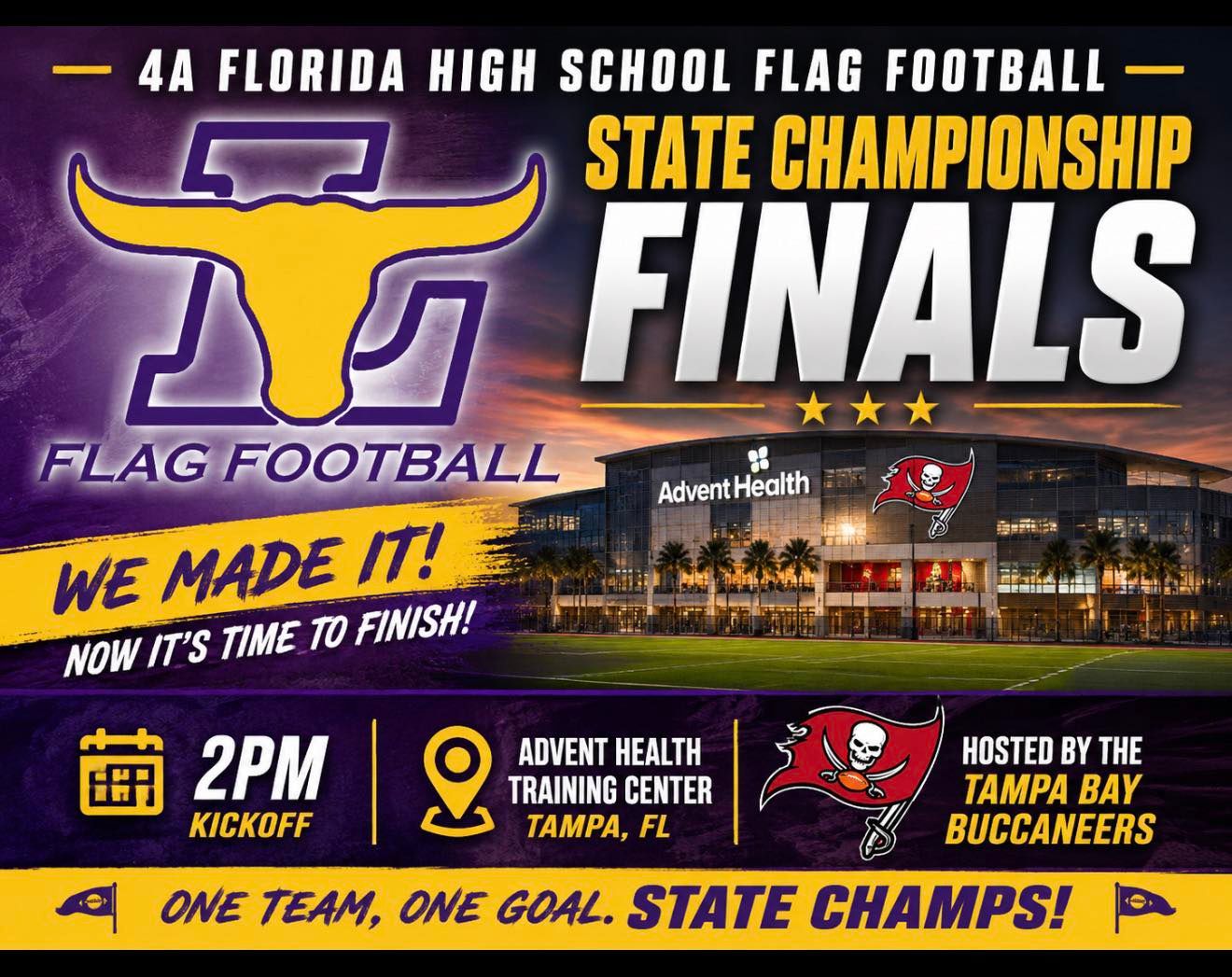
Got news, events, or press releases that the Southshore needs to know about? Submit them here. (We’ll do our best to add press releases in our regular rotation.) If you’re looking to run an actual ad, go here instead.
“It’s The Southshore Circle-because staying informed shouldn’t feel like a full-time job.”
Until next time,

Keep It Local.
Reply